Why Is My Heart Rate Variability So Low? Causes and Fixes
A low HRV reading almost always has a boring explanation. Here are the causes ranked by how often they’re the real one, what actually raises your baseline, and the two patterns worth taking seriously.

You checked your watch, the number was lower than usual, and now you are here. The good news is that low HRV overwhelmingly has an ordinary explanation, and most of the time it is one of five things.
This covers what actually drives it down, what genuinely raises it, and the two patterns that are worth more than a shrug.
The short answer
If your HRV dropped last night, the cause is almost certainly alcohol, too little or broken sleep, an illness you may not feel yet, a hard training session, or a stressful stretch. All five suppress the parasympathetic branch of your nervous system, and HRV is largely a readout of how active that branch is.
If your HRV is consistently lower than the numbers you have seen in charts online, that may be nothing at all — see the section on baselines below. Individual variation in HRV is enormous.
What causes low heart rate variability
Ranked roughly by how often each one turns out to be the real explanation:
| Cause | How fast it shows | How long it lasts |
|---|---|---|
| Alcohol | Same night, reliably. | One to two nights. The most consistent single influence on HRV there is. |
| Short or broken sleep | Same night. | Recovers with one good night, though a run of bad nights compounds. |
| Illness | Often one to two days before symptoms. | Through the illness and several days after. |
| Hard or unaccustomed training | That night. | One to three days. A dip after a hard session is the system adapting, not failing. |
| Psychological stress | Within a day. | As long as the stressor does — this is the one people most often overlook. |
| Dehydration and heat | Same night. | Resolves quickly. A warm bedroom alone can lower an overnight reading. |
| A late, heavy meal | That night. | One night. Digestion keeps the sympathetic branch engaged. |
| A loose strap | Immediately. | Until you fix it — and it is a far more common cause of "inexplicable" low readings than people expect. |
Notice that every item on that list is acute. A single low reading is information about yesterday. It is not information about your health.
Is your heart rate variability actually low?
This is the question most people skip, and it matters more than the causes.
HRV varies enormously between healthy people. Two fit 35-year-olds can sit at 30 ms and 110 ms and both be entirely normal. Your HRV is only low relative to your own baseline — comparing yourself with a population chart is the single most common way to reach a wrong conclusion here. We go through the ranges and why they mislead in what is a good HRV.
- No baseline yet? You need two to four weeks of consistent overnight readings before "low" means anything at all.
- Compare rolling averages, not nights — a 7-day average against your own 60-day average.
- Expect noise. Day-to-day swings of 20–30% are ordinary in healthy people.
- Changed devices recently? Different brands report HRV differently. A drop of tens of milliseconds can be the watch, not you.
Most “my HRV is low” worries turn out to be a comparison problem, not a health problem.
Does alcohol affect HRV?
More than almost anything else you can do to yourself in an evening, and it is the effect people find most startling when they first see it.
Alcohol keeps the sympathetic branch elevated for hours after you fall asleep. It also fragments the second half of the night and raises resting heart rate. The result is a clear overnight HRV drop that often shows up after one or two drinks, not just heavy nights — and it frequently persists into a second night.
If you want a single experiment that demonstrates HRV is measuring something real, this is it: track a normal week, then a week without alcohol, and compare the averages.
How to improve your heart rate variability
The levers that reliably increase heart rate variability are unglamorous, and they work over months rather than days. Roughly in order of effect:
- 1Sleep more, and at consistent times. The biggest single lever for most people. Both duration and regularity matter — going to bed at wildly different times suppresses HRV even when total sleep is adequate.
- 2Drink less alcohol, and earlier. Many people see a measurable baseline shift within two to three weeks of cutting back. Nothing else on this list moves as fast.
- 3Build an aerobic base. Regular easy-effort cardio raises HRV over months — the same training that raises your VO2 max. Training hard every day does the opposite; the adaptation happens during recovery, not during the session.
- 4Practise slow breathing. Around six breaths per minute for five to ten minutes raises HRV measurably in the moment, and there is reasonable evidence for a lasting effect with regular practice.
- 5Keep the bedroom cool and stop eating two to three hours before bed. Both reduce the overnight sympathetic load.
- 6Manage the stressor, not the number. HRV responds to your actual life. Chronic work stress will hold it down regardless of how well you sleep.
- 7Wear the band properly — snug, just above the wrist bone. Poor optical contact produces poor data, and poor data reads as low HRV.
How to increase HRV during sleep
Overnight HRV is the reading most devices report, so "raising your HRV" mostly means improving the conditions of your night. The specifics that move overnight numbers most:
- A cool, dark room — heat is a surprisingly large suppressor.
- No alcohol within three hours of bed, and ideally none at all on nights you care about.
- A consistent bedtime, which stabilises the whole overnight pattern.
- Finish hard training earlier in the day where you can — a late intense session keeps the nervous system elevated into the night.
How long does it take to see a change?
| Change | When you’d expect to see it |
|---|---|
| Stopping alcohol | One to two nights for the acute effect; two to three weeks for a baseline shift. |
| Better, more regular sleep | A week for the trend to move; a month to be confident it is real. |
| Aerobic training | Six to twelve weeks. This one is genuinely slow. |
| Breathing practice | Immediate in the moment; several weeks for a durable change. |
| Recovering from illness | Usually back to baseline within a week of feeling well. |
If you are looking for a number to move by Friday, HRV is the wrong metric. It is a slow indicator of how you have been living, which is exactly what makes it worth watching.
When low HRV is worth attention
Two patterns, and neither of them is a single bad night:
- A sustained decline over several weeks with no obvious explanation — particularly alongside a rising resting heart rate, persistent fatigue, or worsening sleep.
- A sharp drop that does not recover after several days of genuine rest.
How we handle this
Overnight heart data is unusually revealing. It moves with your drinking, your stress, your illnesses and your sleep — a fairly complete picture of how your life is going, updated nightly.
So when the Tribe Watch syncs it to the cloud, it is saved under a random ID kept separate from your name and email, and locked to your account — an anonymous request for it is refused. We never sell it, there are no advertising or analytics trackers in the app, and you can delete all of it anytime. We also don’t package it as a daily grade to chase — just your trend, and plain language about what changed. No subscription, and one tap erases the lot.
If you are comparing devices on this metric, the structural differences between the brands matter more than the sensor.
And if your HRV was low last night? Look at what you drank, how you slept, and how hard you trained. Nine times out of ten the answer is sitting right there — and the tenth time, it is worth watching for a few weeks before it is worth worrying about.
Frequently asked questions
- Why is my HRV so low?
- The most likely causes are alcohol, short or broken sleep, an illness you may not feel yet, a hard training session, or psychological stress. Dehydration, a warm bedroom, a late heavy meal and a loose watch strap also lower readings. All of these are acute, so a single low night reflects yesterday rather than your health.
- What causes low heart rate variability?
- Anything that keeps your sympathetic nervous system engaged: alcohol, poor sleep, illness, hard training, stress, dehydration, heat and late meals. HRV declines with age too. Measurement problems are also common — a loose strap or a recent change of device can lower the reported figure with nothing happening in your body.
- What does low HRV indicate?
- Usually that your body is working on something — recovering from a hard session, fighting an illness, processing alcohol, or under stress. It is a signal about your current state, not a diagnosis. Only a sustained decline over several weeks, or a sharp drop that will not recover with rest, warrants medical attention.
- What does low heart rate variability mean?
- It usually means your body is working on something — recovering from a hard session, fighting an illness, processing alcohol, or under stress. Low heart rate variability is a signal about your current state rather than a diagnosis. Only a sustained decline across several weeks, or a sharp drop that will not recover with rest, warrants medical attention.
- How can I improve my HRV?
- Sleep more and at consistent times, drink less alcohol, build an aerobic base with regular easy-effort cardio, practise slow breathing at around six breaths per minute, keep your bedroom cool, and eat earlier. Expect months rather than days — the exception is alcohol, where many people see a baseline shift within two to three weeks.
- Does alcohol affect HRV?
- Yes, more reliably than almost anything else. Alcohol keeps the sympathetic nervous system elevated for hours after you fall asleep, fragments the second half of the night and raises resting heart rate. The overnight drop often appears after just one or two drinks and can persist into a second night.
- How do I increase HRV during sleep?
- Keep the room cool and dark, avoid alcohol within three hours of bed, keep a consistent bedtime, and finish hard training earlier in the day. Overnight HRV is mostly a reflection of the conditions of your night, so improving those improves the number.
- Why does my HRV keep going down?
- A steady decline over weeks usually points to accumulating load — poor sleep, rising stress, overtraining, or regular drinking. First confirm it is real by checking your rolling average rather than daily readings, and that nothing changed about your device or strap. If a genuine multi-week decline has no obvious explanation, especially alongside fatigue or a rising resting heart rate, speak to a doctor.
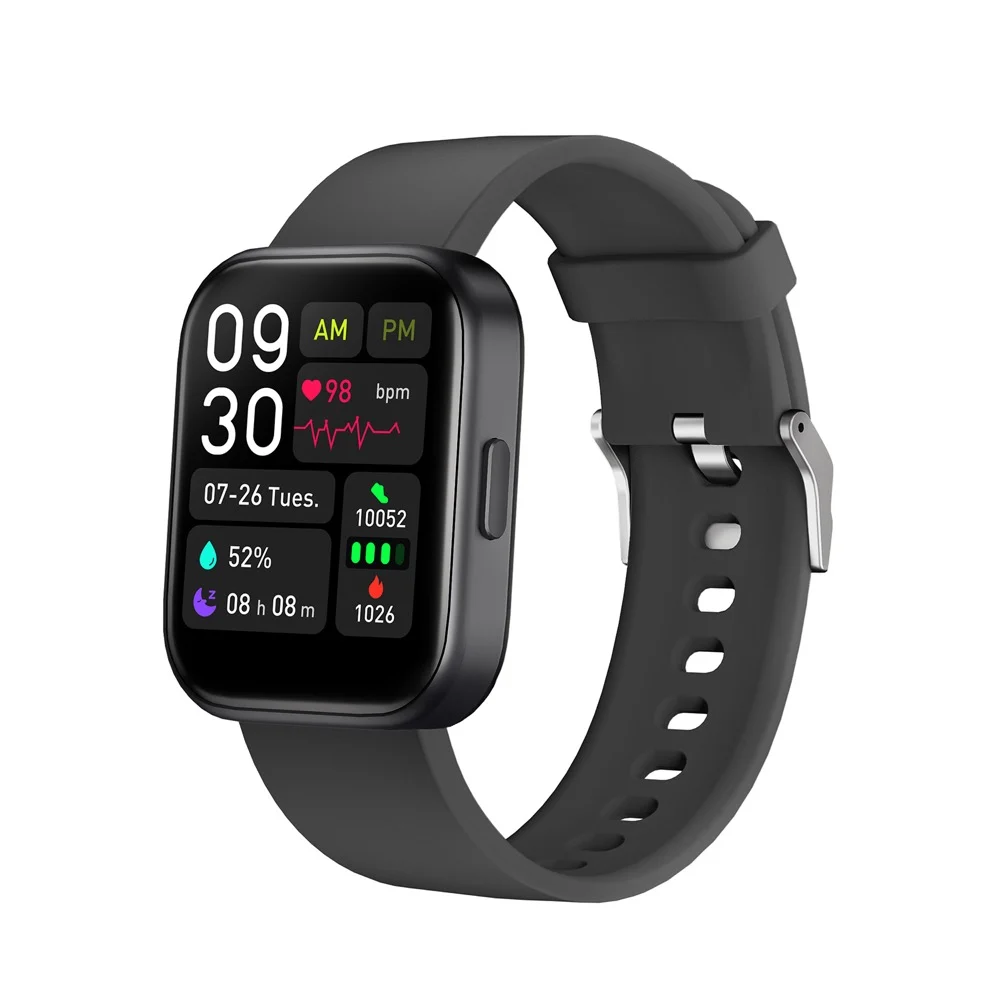
See your HRV trend, never sold
The Tribe Watch tracks your overnight heart rate variability and shows you the direction of travel — no readiness grade to chase, no subscription, and never sold or advertised against. $119.99 once, not $199–$359 a year to keep seeing your own history.
- Never sold, and no ad or analytics trackers in the app
- Locked to your account, saved under a random ID
- Erase everything with one tap, whenever you want
- No subscription for any tracking feature
Private by design. Yours by default.