How to Get More Deep Sleep
You can’t aim at deep sleep. It isn’t a setting — it’s what your brain does first when you give it enough uninterrupted time. Here’s what genuinely increases it, and why the number on your watch may not be the problem.
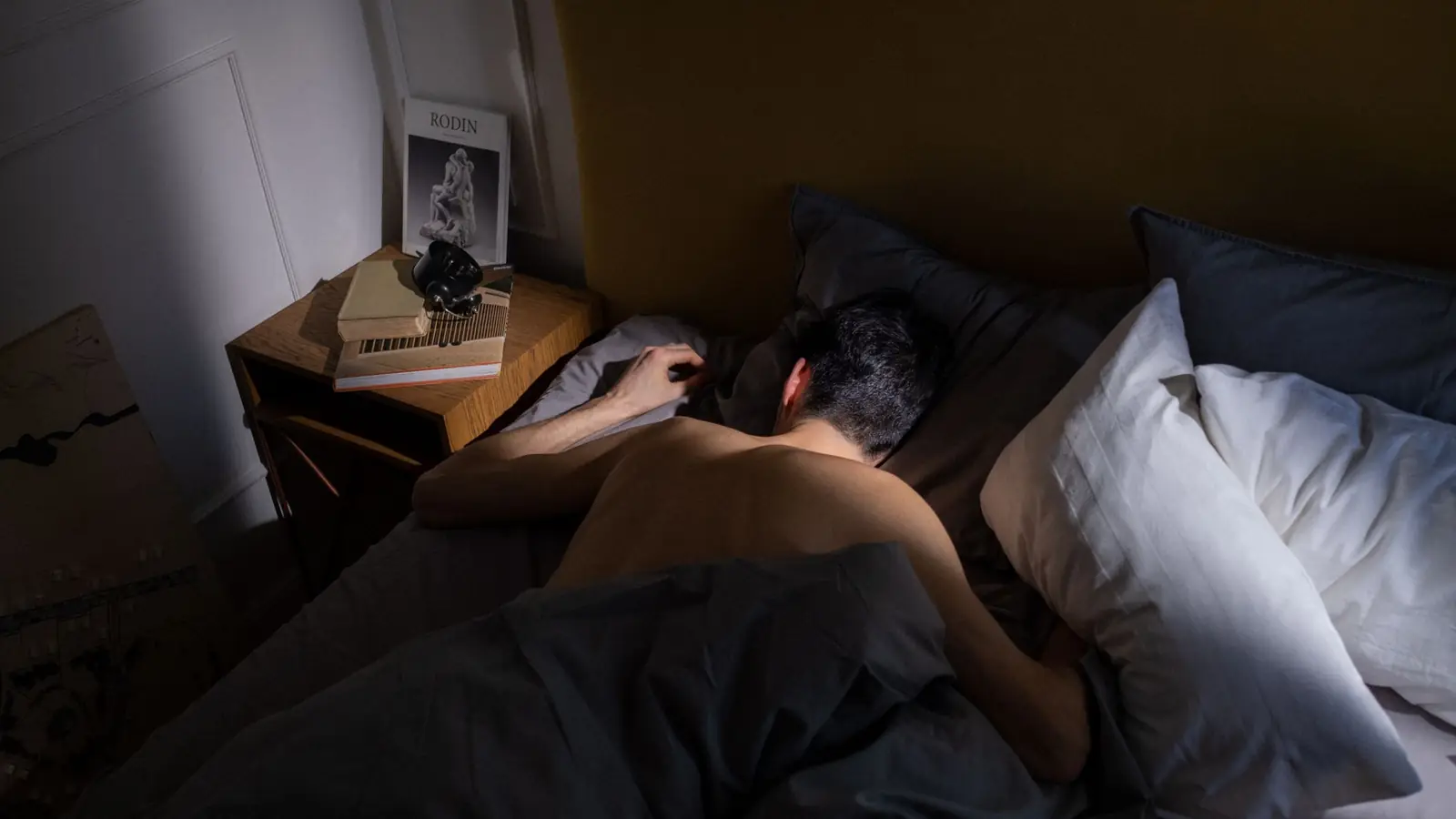
Deep sleep is the stretch your body does its repair work in, and it is the number most people want more of once a tracker starts showing it to them. The frustrating part is that you cannot aim at it. There is no lever marked "deep sleep".
What you can do is give your brain the conditions it needs, then get out of the way — because deep sleep is what it takes first when you finally give it enough uninterrupted time.
Before you fix it: is it actually low?
Worth ruling out, because a lot of "low deep sleep" is a measurement artifact rather than a sleep problem.
Sleep stages are defined by brain activity. Your watch has no way of reading that — it infers stages from movement and pulse, and stage classification is the least reliable thing it reports. Two devices on the same wrist routinely disagree about how much deep sleep you had.
- Most healthy adults spend roughly 13–23% of the night in deep sleep — for a seven-hour night, somewhere around an hour to an hour and a half.
- It is front-loaded. Most of your deep sleep happens in the first half of the night, which is why a short night cuts REM more than it cuts deep sleep.
- It declines sharply with age. A healthy 25-year-old and a healthy 65-year-old are not supposed to get the same amount. Comparing yourself with your younger self, or with a friend two decades younger, is the most common false alarm there is.
If you feel rested, you probably are. If the number is low but you feel fine, distrust the number before you distrust your sleep.
What actually increases deep sleep
Roughly in order of how much difference each one makes.
1. Spend more time asleep
The least interesting answer and the most effective one. Deep sleep is prioritised — your brain takes it early and takes it first. But if you only give yourself six hours, there is less night for everything. Going to bed thirty minutes earlier will do more than any supplement on the market.
2. Keep the same wake time — every day
A consistent wake time anchors your body clock more strongly than a consistent bedtime, and a stable clock produces a more organised night. Weekend lie-ins feel like repayment and behave like jet lag.
3. Cool the room
Your core temperature has to drop for deep sleep to consolidate, and a warm room works directly against that. Somewhere around 18°C / 65°F suits most people. A warm bath an hour or two before bed helps for the same reason — the rebound cooling afterwards is the useful part.
4. Move the alcohol earlier, or drop it
Alcohol is a sedative, so it does help you fall asleep — which is why people misjudge it. What it then does is disrupt the structure of the night and fragment the second half, and fragmentation is the enemy of consolidated deep sleep. It is also the single most visible thing in wearable data: it moves your overnight heart rate and your HRV more reliably than anything else you can do in an evening.
5. Build regular aerobic exercise
Consistent moderate exercise is one of the better-supported ways to increase slow-wave sleep. It works over weeks, not on the night you do it — and a hard session very close to bedtime can push the other way by leaving you too switched on.
6. Stop caffeine earlier than you think
Caffeine has a half-life of roughly five to six hours, so a 3pm coffee still has a meaningful amount circulating at bedtime. It fragments sleep even when it does not stop you falling asleep — many people who insist coffee does not affect them are sleeping worse than they realise.
7. Get light in the morning
Bright light shortly after waking strengthens the day–night signal your body clock runs on, and a stronger signal produces a better-organised night. Ten minutes outside beats an hour of screen-dimming in the evening.
8. Finish eating earlier
A large late meal keeps digestion running into the early part of the night — the same window where most of your deep sleep would otherwise be happening.
What does not work
- Targeting deep sleep directly. There is no technique that adds slow-wave sleep without improving sleep generally. Anything advertised as doing so is selling the shortcut version of the list above.
- Most sleep supplements. Evidence for consistently increasing deep sleep is weak. Melatonin in particular is a timing signal, not a sedative — it can help you shift when you sleep, not how deeply.
- Sleeping longer at weekends. It repays sleep debt to a degree and destabilises the clock at the same time, which is a poor trade.
- Checking the number more often. Researchers have described orthosomnia — anxiety about achieving good sleep-tracker figures that measurably worsens sleep. If the score is stressing you, that is the thing degrading your night.
How long before it changes
| Change | When you would expect to see it |
|---|---|
| More time in bed | The first night |
| Cutting alcohol | The first night, and clearer within a week |
| A cooler room | Within a few nights |
| Consistent wake time | One to two weeks |
| Regular aerobic exercise | Four to eight weeks |
Judge any of these on a weekly average, never a single night. Deep sleep varies enough between ordinary nights that one reading tells you almost nothing.
When it is worth asking a doctor
How we handle it
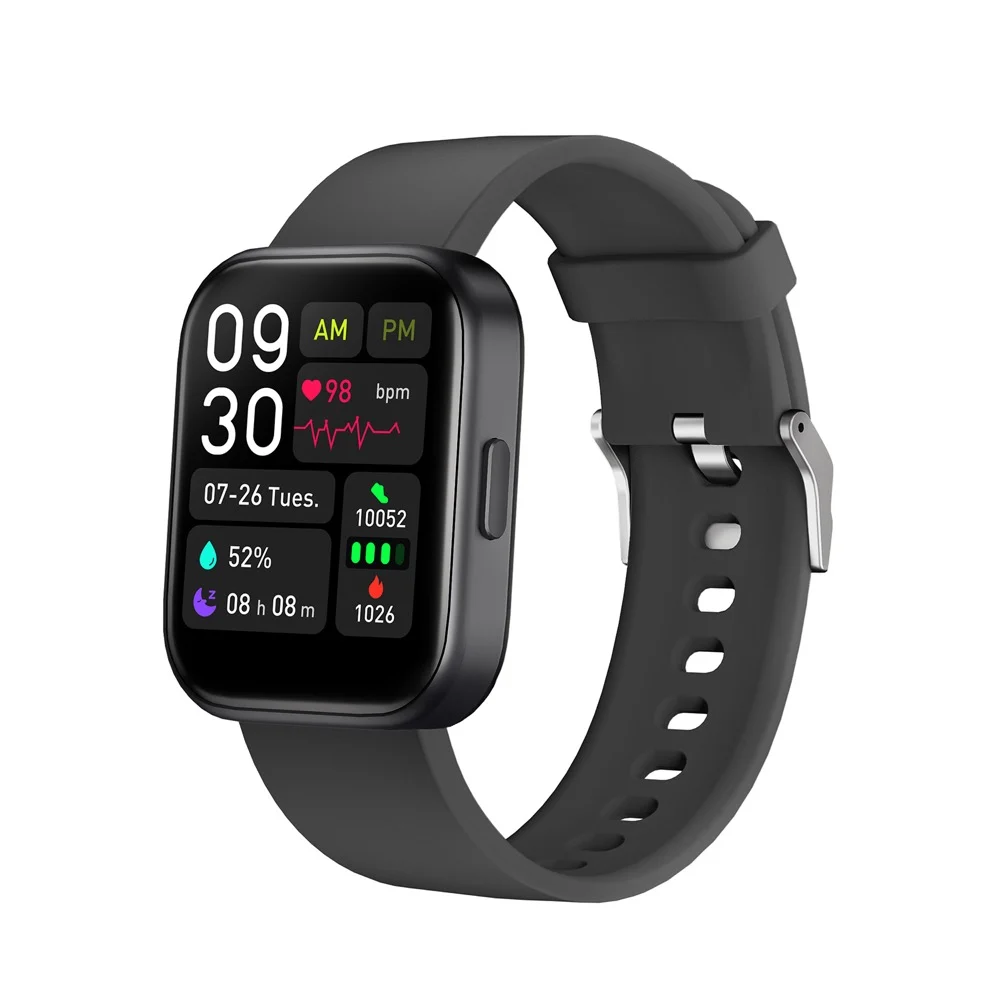
The Tribe Watch estimates sleep stages the same way every wrist device does, and we will not pretend ours reads your brain — none of them do. What we try to avoid is turning an estimate into a nightly grade you feel obliged to defend.
When your night syncs to the cloud, it is saved under a random ID kept separate from your name and email, and locked to your account — never sold, with no advertising or analytics trackers in the app, described in plain language instead of scored, and erasable in one tap. $119.99 once, with no subscription on any tracking feature.
If you sleep in the thing, it is worth knowing where the night ends up. We compared every major brand on exactly that.
So: more time in bed, the same wake time, a cooler room, and less to drink. It is an unglamorous list, and it is the whole of the honest answer.
Frequently asked questions
- How can I get more deep sleep?
- Give yourself more time asleep, keep a consistent wake time, cool the bedroom to around 18°C/65°F, reduce alcohol and move it earlier, build regular aerobic exercise, stop caffeine by early afternoon, get bright light shortly after waking, and finish eating two to three hours before bed. You cannot target deep sleep directly — you improve sleep overall and the architecture follows.
- How much deep sleep should I get?
- Most healthy adults spend roughly 13–23% of the night in deep sleep — about an hour to an hour and a half on a seven-hour night. It is concentrated in the first half of the night and declines substantially with age, so an older adult getting less than they did at 30 is seeing normal biology rather than a problem.
- Why is my deep sleep so low on my watch?
- Often because the estimate is wrong rather than your sleep. Sleep stages are defined by brain activity and a wrist device infers them from movement and pulse, which makes stage classification the least reliable figure it reports. Check whether you feel rested before treating a low number as a problem, and compare weekly averages rather than single nights.
- Does alcohol reduce deep sleep?
- Alcohol helps you fall asleep and then disrupts the structure of the night, fragmenting the second half. Fragmentation works against consolidated deep sleep, and the effect is clearly visible in wearable data — alcohol moves overnight heart rate and HRV more reliably than almost anything else you can do in an evening.
- Do supplements increase deep sleep?
- Evidence for consistently increasing deep sleep with supplements is weak. Melatonin in particular is a timing signal rather than a sedative — it can help shift when you sleep, not how deeply. The behavioural levers above are better supported and cost nothing.
- How long does it take to improve deep sleep?
- More time in bed and cutting alcohol can show up on the first night. A cooler room takes a few nights, a consistent wake time one to two weeks, and regular aerobic exercise four to eight weeks. Judge all of them on weekly averages — deep sleep varies enough between ordinary nights that one reading means little.
See your nights without chasing a number
The Tribe Watch tracks your sleep and describes the pattern in plain language — $119.99 once, no subscription, and never sold.
- Never sold, and no ad or analytics trackers in the app
- Locked to your account, saved under a random ID
- Erase everything with one tap, whenever you want
- No subscription for any tracking feature
Private by design. Yours by default.